Design for Post-Growth Living
limits of growth;
speculative design;
imagining another way of being;
life after capitalism;
fashion industry systems;
limits of growth; speculative design; imagining another way of being; life after capitalism; fashion industry systems;
Designing for a goal of improving well being while staying within the planetary boundaries.
Competencies
Regenerative Design; Systems Thinking Storytelling; Circular Economy.
Expertise Areas
Creativity and Aesthetics (CA)
User and Society (US)
Business and Entrepreneurship (BE)
Technology & Realization (TR)
Taking post-growth perspectives into account while designing within a current, capitalistic, economy powered by overconsumption is an extremely challenging task.
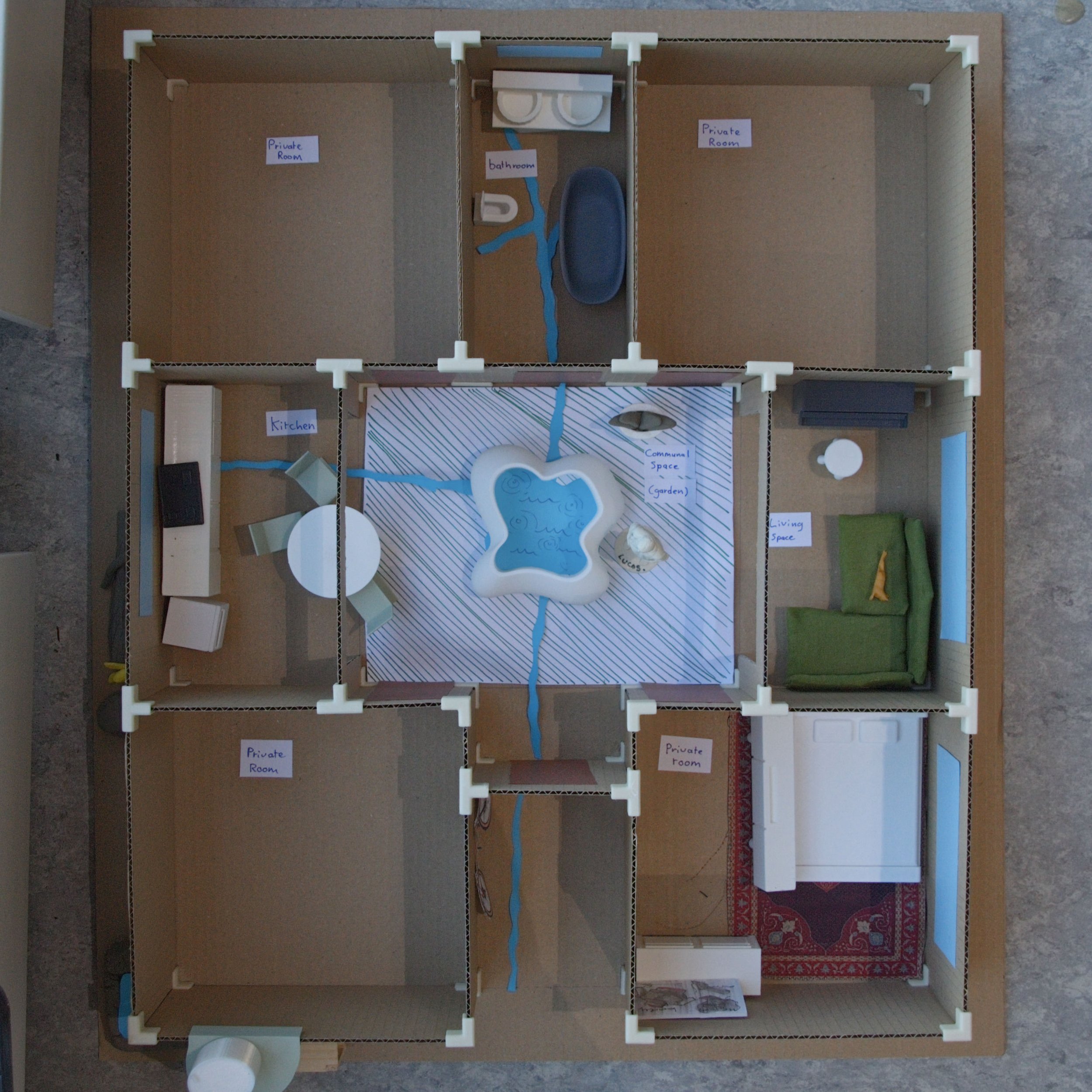
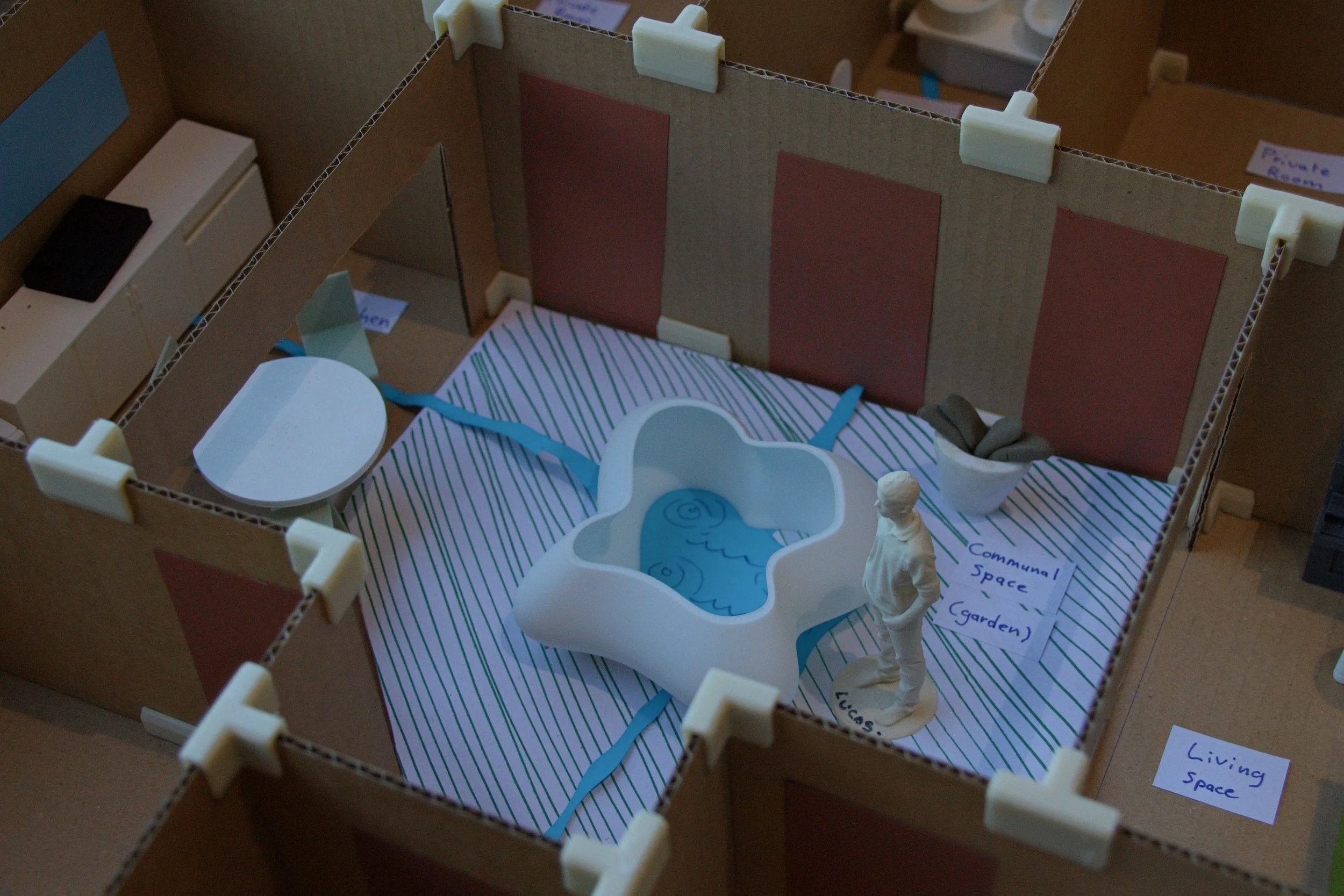
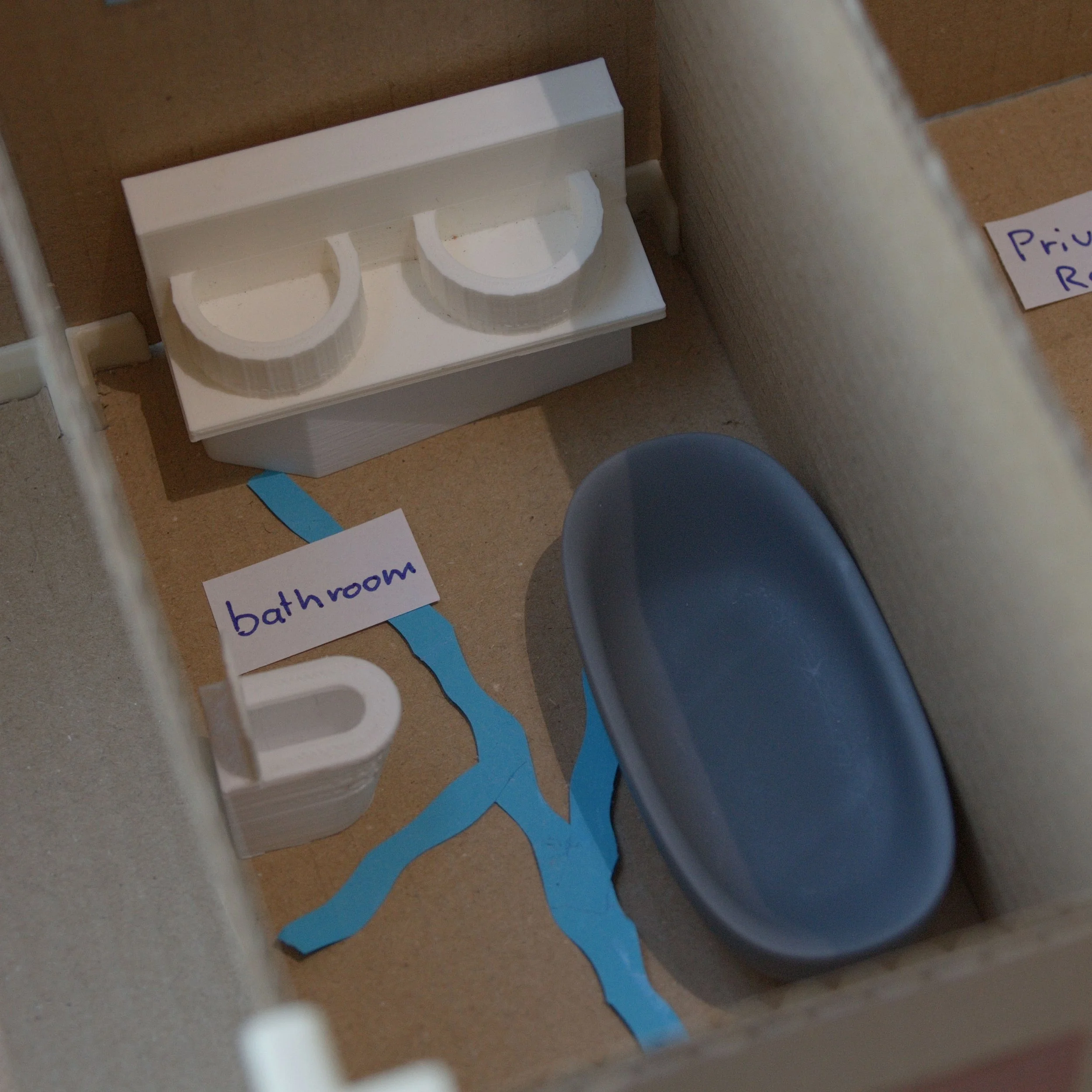
That is why in the first module of the course, we were introduced to speculative scenarios, such as developing a house and furniture sandbox while keeping in mind requirements that could make it applicable for the post-growth world. Another example was designing for a scenario of restriction of 2500 lumen yearly per household.
The designs, despite being grounded in speculation, have resulted in insights, raised questions and possible design interventions to slowly transition to circular economy, which doesn’t sacrifice nature for profit.
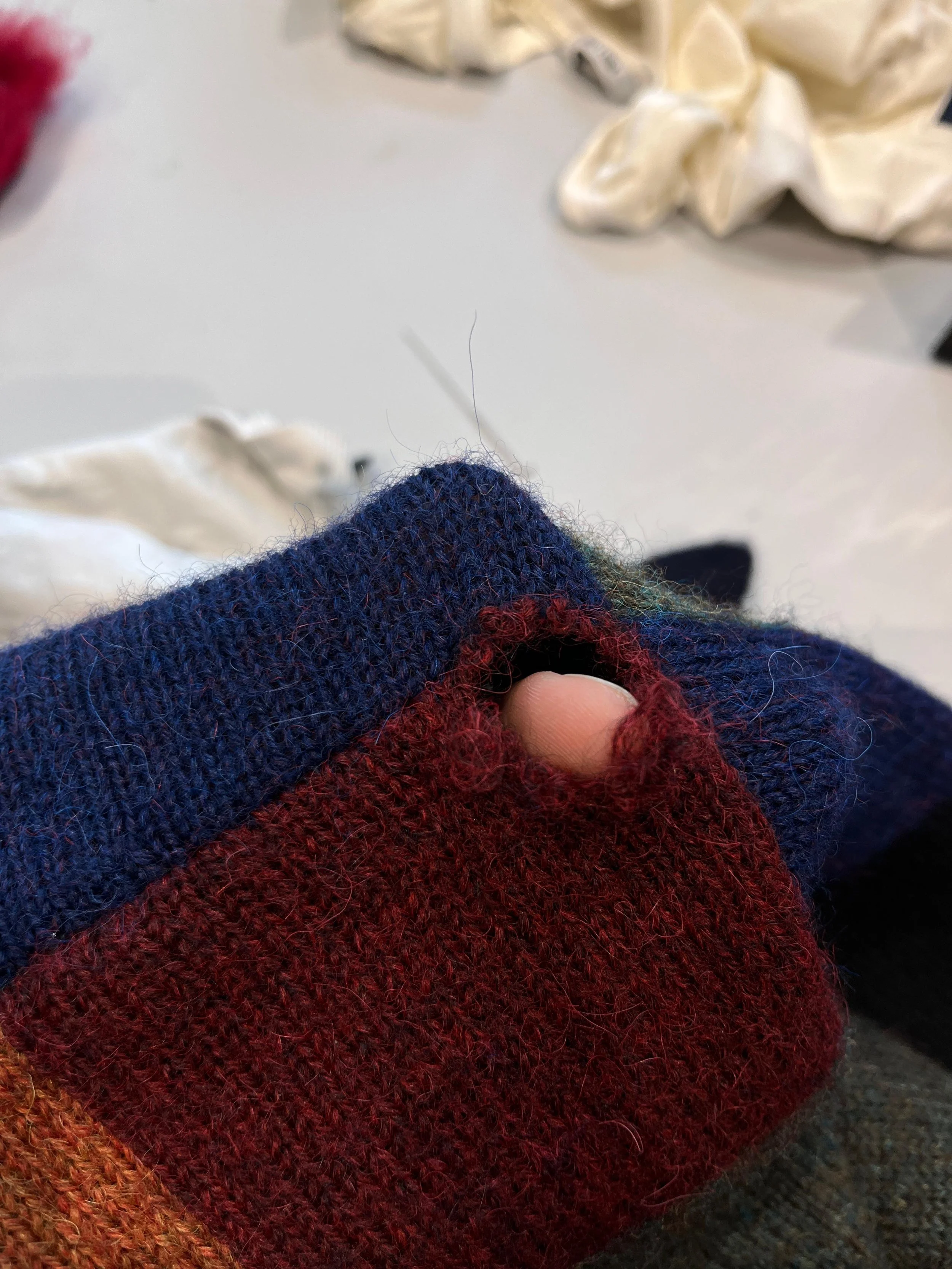
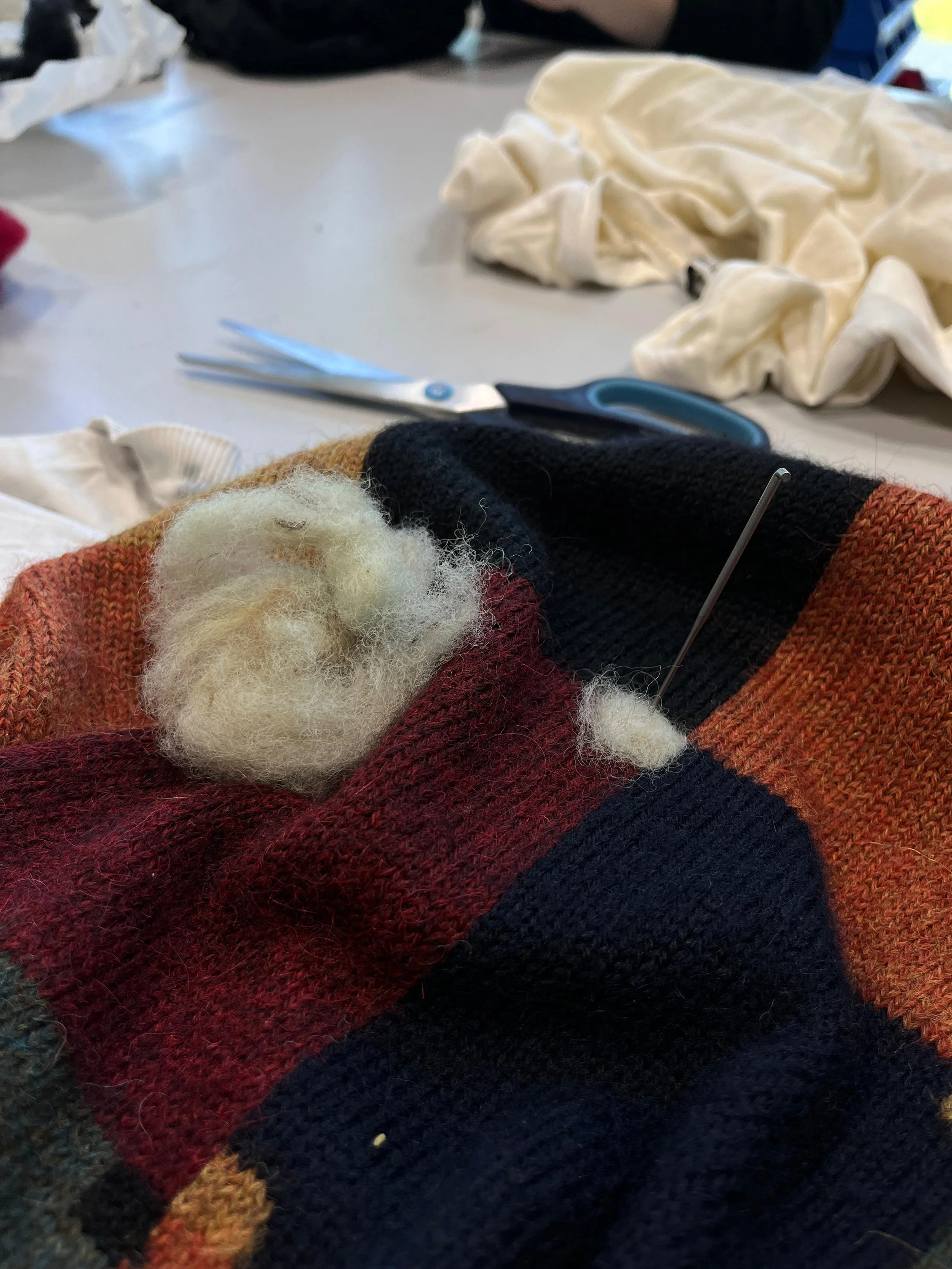
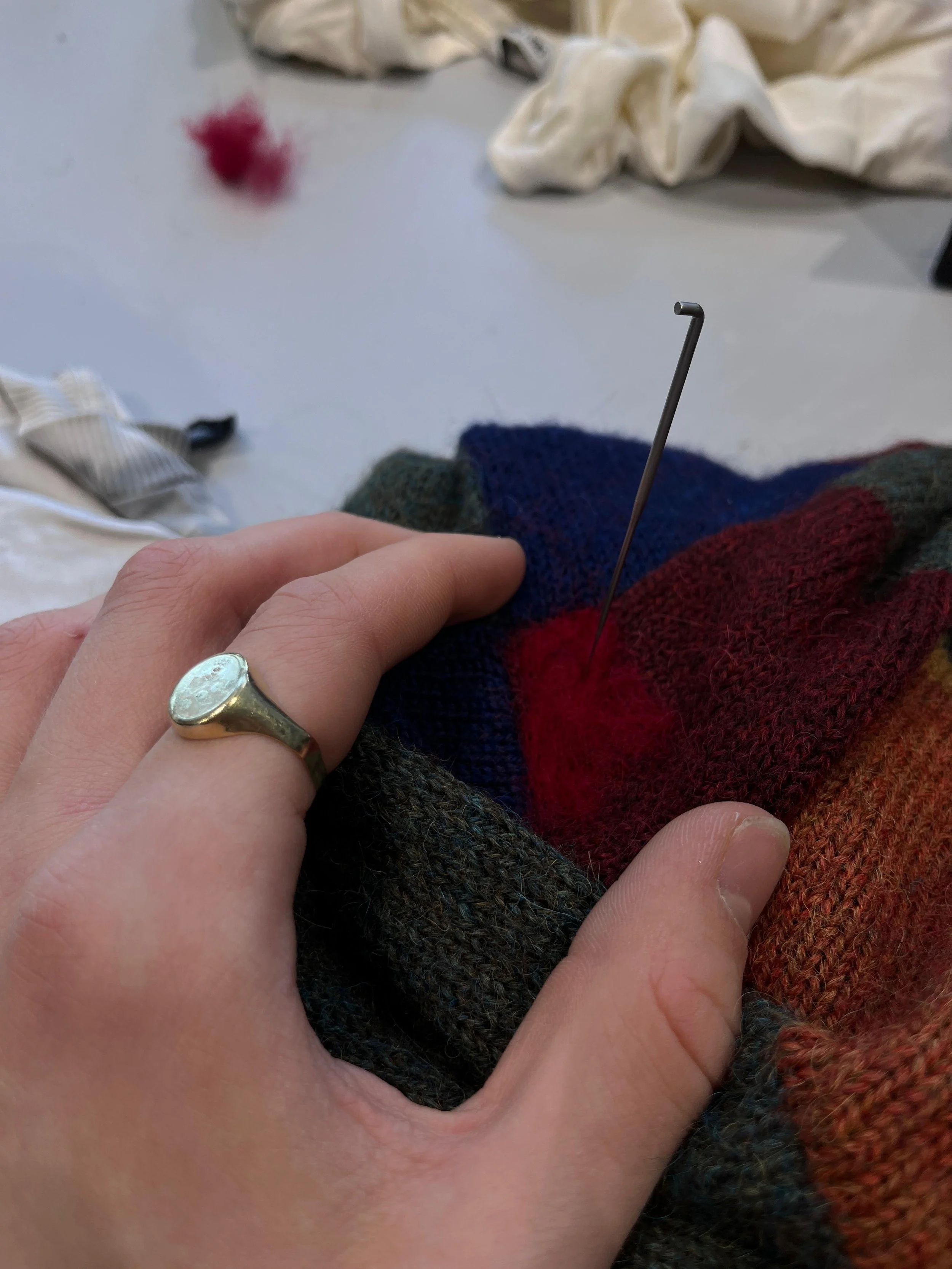
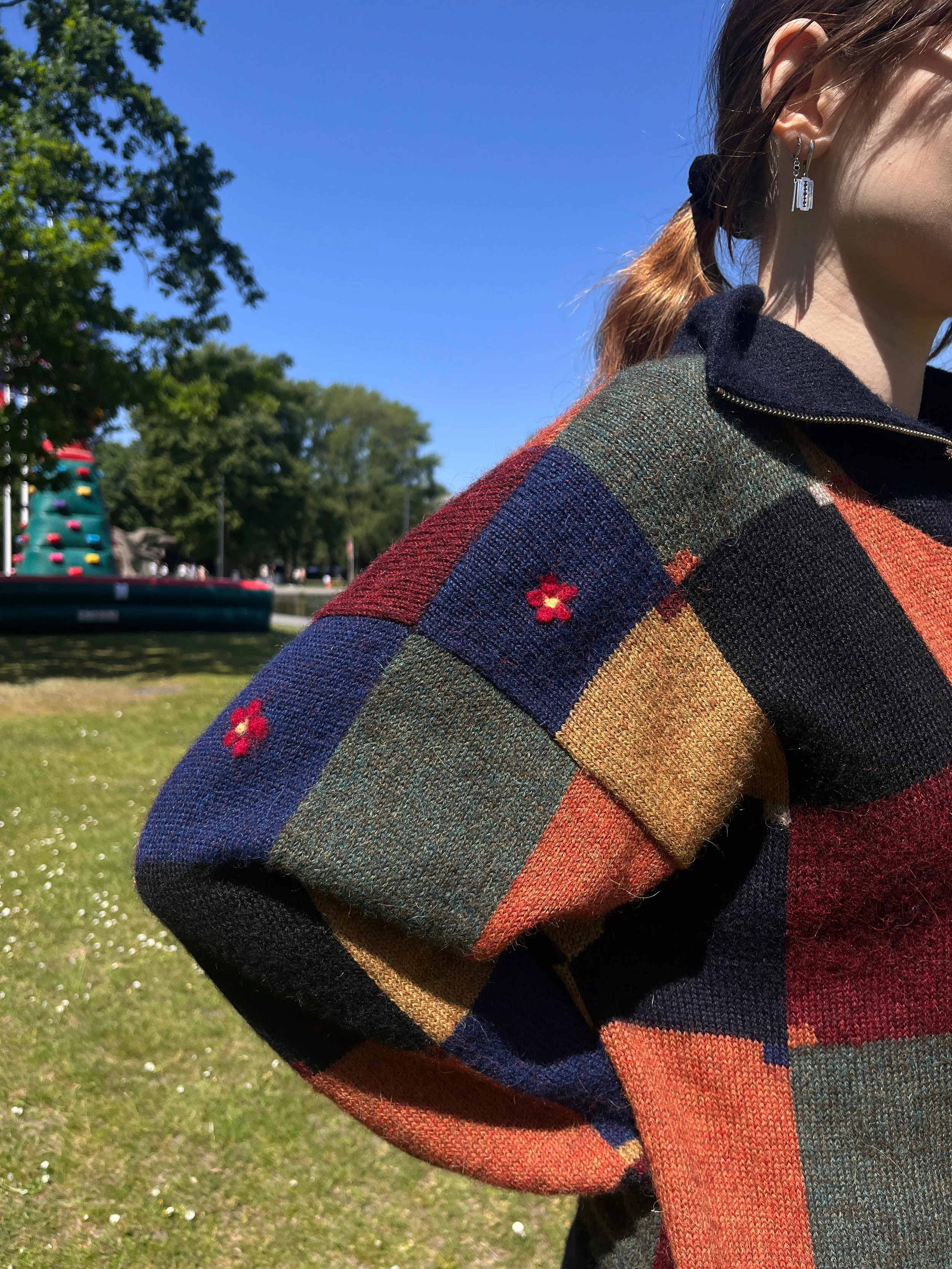
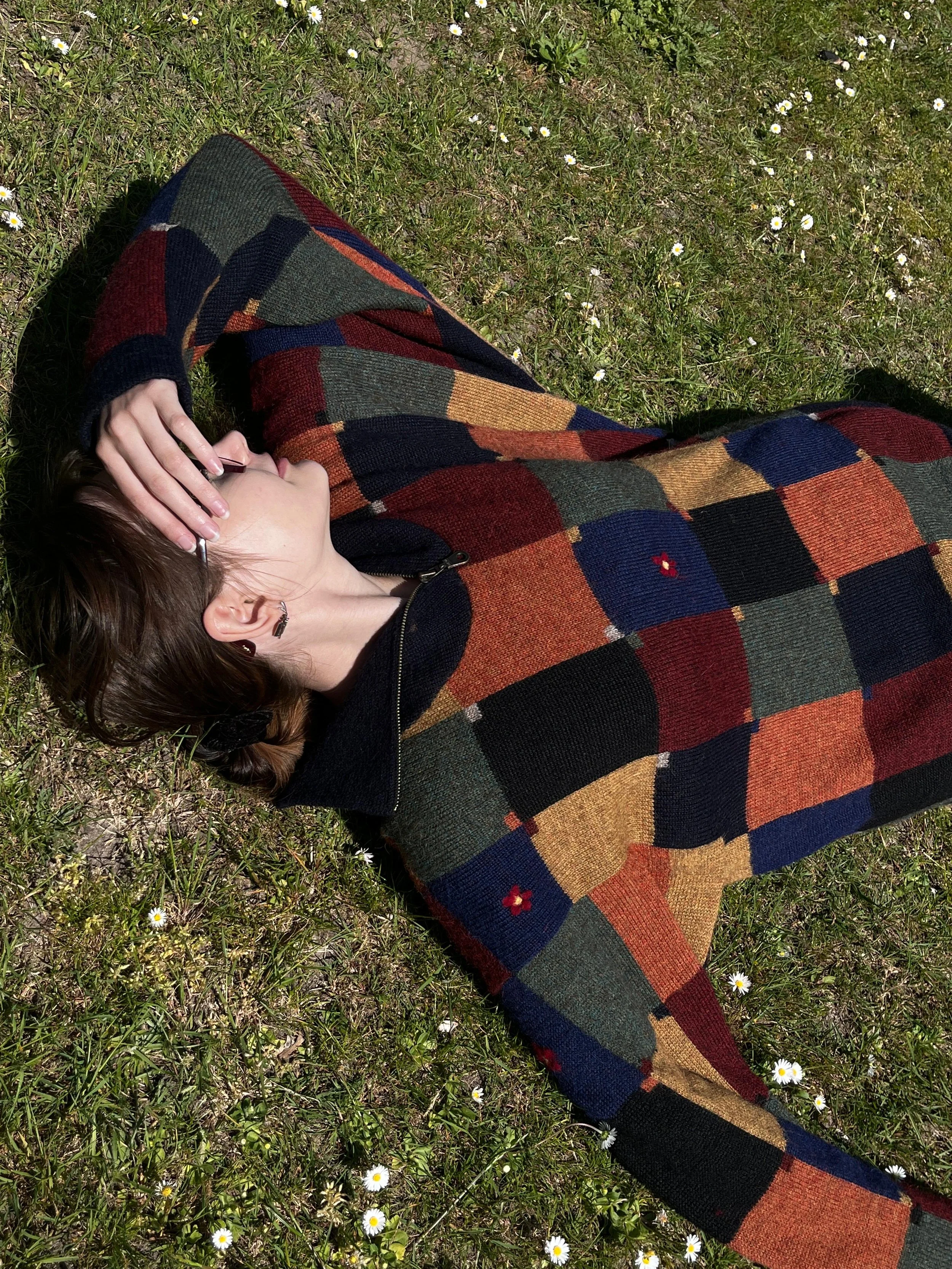
After getting familiar with more abstract, and theoretical aspects of post-growth in the first module of the course, we were introduced to specific and practical implementation case, which was the linear manufacturing system of the fashion industry, and how it contributes to generating textile waste.
I have used many insights and literature references in my Final Bachelor Project, with post-growth principles inspiring my Vision and becoming one of the key terms describing my desired designer activity.