
Vision
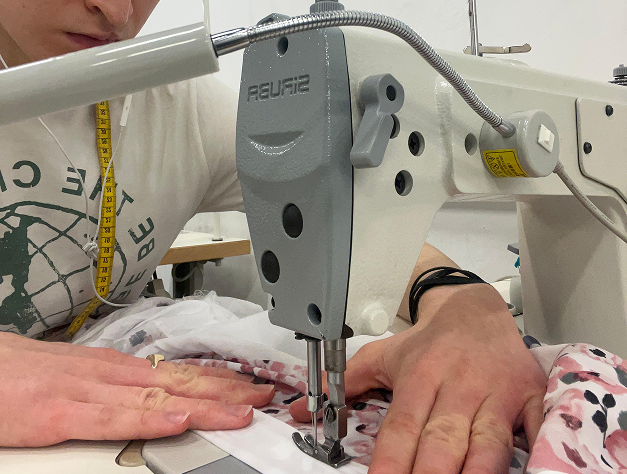
As a designer, I see my future role as both translator and innovator, bridging the gap between sustainable possibilities and practical implementation of circular economy possibilities, especially within the textile industry.
The systemic challenges are likely too complex for an individual designer to fully address within an individual project, however without being addressed at smaller scale first, they can never grow and be iterated upon, which makes that first step so essential.
I believe that through cross-sector collaboration, designing for regeneration and fostering conscious customer behavior, knowledge can be transferred, technology and materials can be reimagined and habits driving overconsumption can be shifted.
My mission as a designer aligns with post-growth perspectives, as I aim to design for increasing well-being, within planetary boundaries, with well-being replacing GDP on a global scale, and wealth, as a local scale as a factor defining success.
-
Regenerative Design
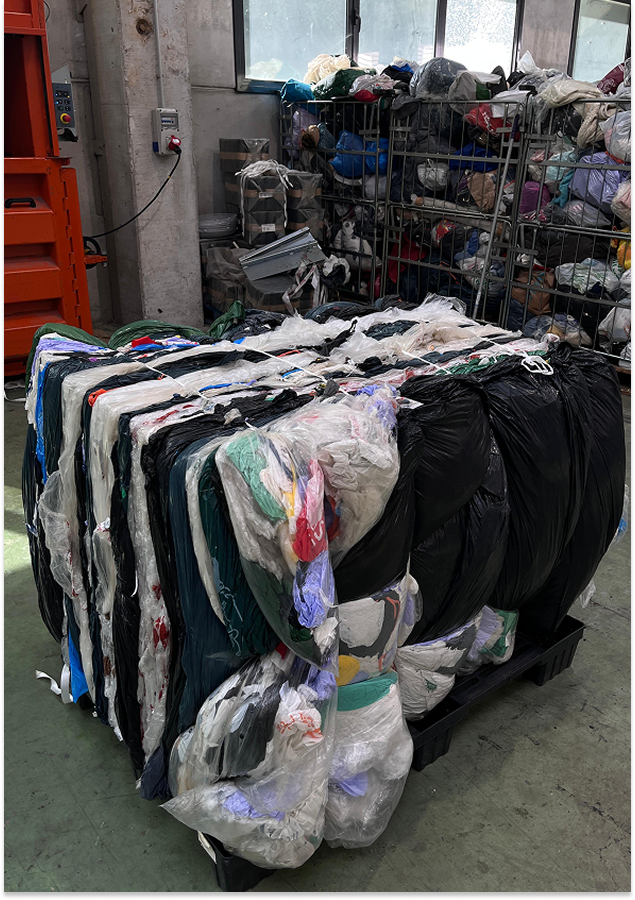
In 2022, within EU alone, 6.94 million tonnes of textile waste was generated, which is an equivalent to approximately 16 kilograms per person [5].
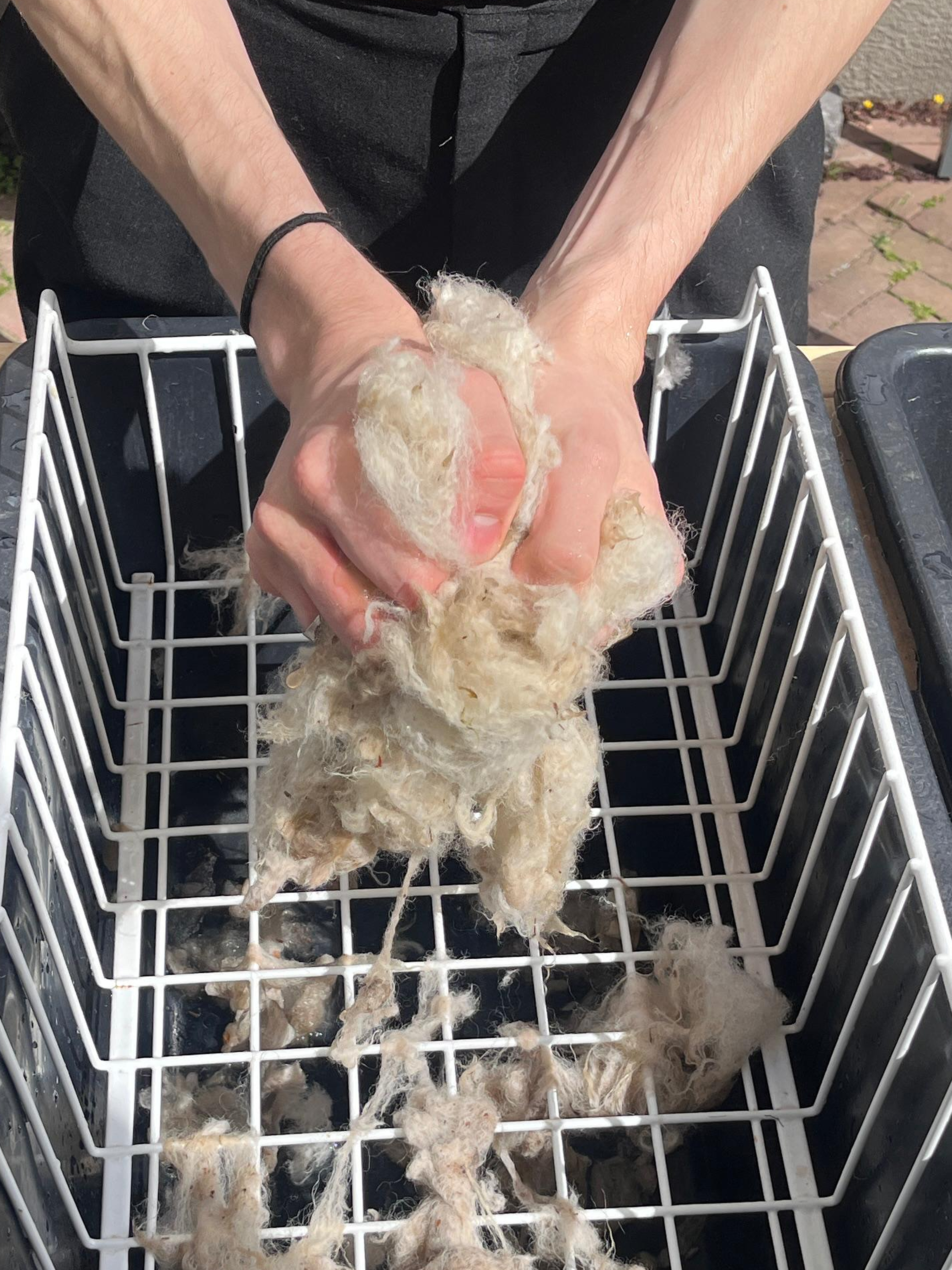
Considering all this amount, the raw materials and land exploited to produce all these garments, and consequently planetary boundaries [3] crossed, I believe that reducing harm is no longer sufficient on it’s own, and we, as designers should put effort into regenerating what already has been lost in nature [2].
-
Cross-sector collaboration
I believe the entire textile lifecycle system requires fundamental redesign to become circular [TR,BE]. It’s important to note that to fully implement it, a significant political shift is required.
I think is an issue much bigger for an individual designer to solve and it calls for cross-sector collaboration between governments, manufacturers, and consumers [1, 4].
This scale of a challenge, surprisingly rather than overwhelming me, fuels my determination to contribute to it meaningfully.
-
Customer Behaviour
Shifting consumer behavior toward more sustainable fashion practices involves understanding the psychological, social, and cultural factors that influence purchasing and disposal decisions [US, BE, DRP].
Fostering conscious consumption requires designing systems that make circular behaviors feel natural, aspirational, and aligned with people's identities rather than sacrificing other features for sustainability [CA, US].
-
Post-Growth
I recently realised that I have been working towards developing the objectives described by post-growth through my designer Vision before I even learned that the term post-growth existed.
Designing for improving well being, while staying within the planetary boundaries has become a statement, or even umbrella term, describing all my design attempts until now.
From initial awareness about ecology, which I carried with me while entering ID, through treating sustainability as a core value and seeing environmental and economic benefits of circular economy solutions, to finally framing a specific, yet still very open Vision statement of finding regenerative design opportunities.
I have already used some post-growth perspectives in Design for Post-Growth Living elective, but I see it as a great inspiration for ideation and speculation in my future projects.
References
[1] de Aguiar Hugo, A., de Nadae, J., and da Silva Lima, R. 2021. Can Fashion Be Circular? A Literature Review on Circular Economy Barriers, Drivers, and Practices in the Fashion Industry's Productive Chain. Sustainability 13, 21 (2021), 12246. DOI: https://doi.org/10.3390/su132112246
[2] Lyle, J.T. 1994. Regenerative design for sustainable development. John Wiley & Sons.
[3] Planetary Boundaries: 2023. https://www.stockholmresilience.org/research/planetary-boundaries.html.
[4] Schumacher, K.A. and Forster, A.L. 2022. Textiles in a circular economy: An assessment of the current landscape, challenges, and opportunities in the United States. Frontiers in Sustainability 3, 1038323. DOI: https://doi.org/10.3389/frsus.2022.1038323
[5] Textile waste generation per person in the EU per year: 2025. https://www.eea.europa.eu/en/circularity/sectoral-modules/textiles/textile-waste-generation-per-person-in-the-eu-per-year.